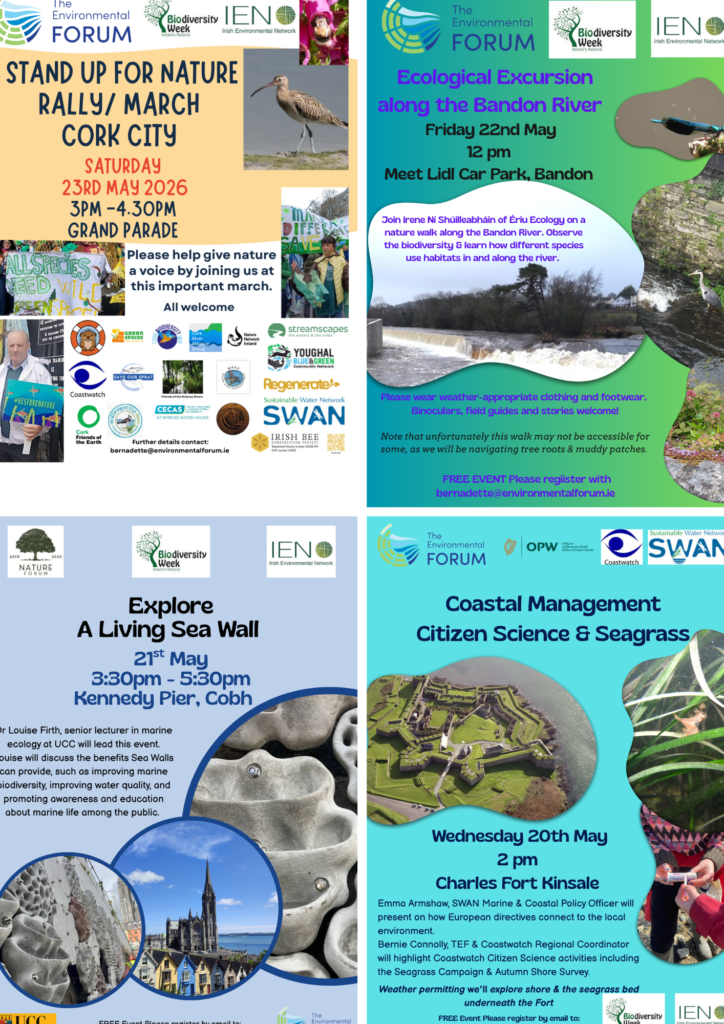
This May, we celebrated National Biodiversity Week 2026 from the 15th to the 24th of May. We organised four events through which we explored the rich variety of life in Ireland, and the different ways to protect it. All the events were supported by the Irish Environmental Network.
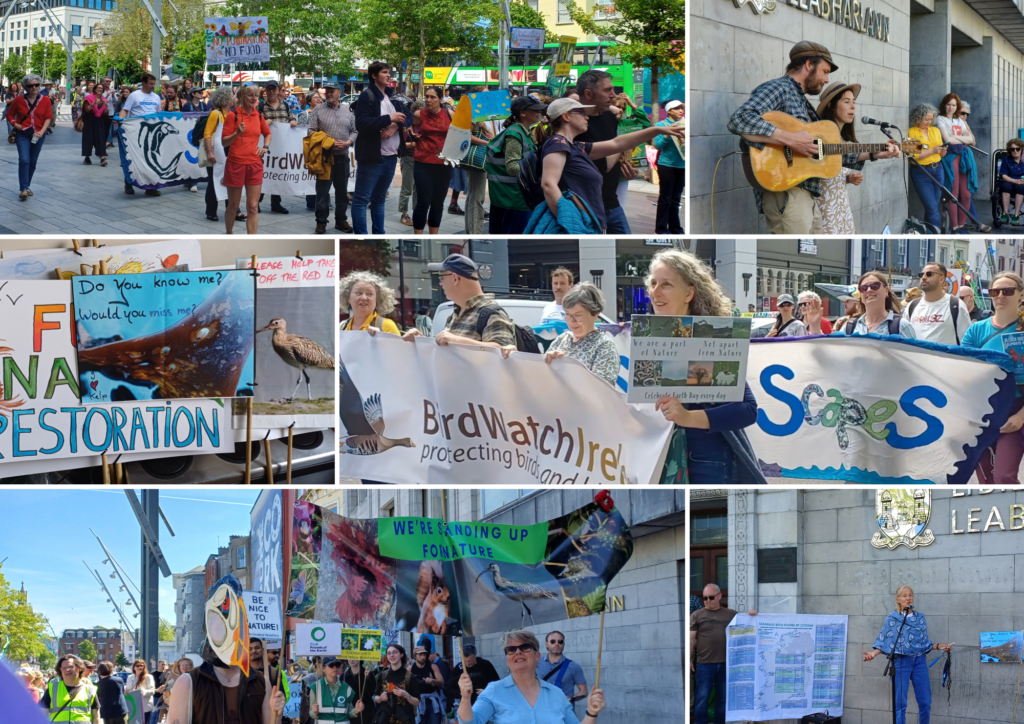
We organised the Stand Up for Nature March in Cork City on the 23rd of May. We were joined by many groups and individuals who came together to advocate for Nature. It was amazing to witness the solidarity and the cohesion with everyone who attended the march and raised their voices to protect our biodiversity! This march was also an opportunity to hear from Karin Dubsky from Coastwatch, Oonagh Duggan from BirdWatch Ireland, and Dold d’Hondt from Save Our Sprat about the challenges and opportunities involved in protecting and restoring nature. This event highlighted the importance of community, collaboration, and hope in tackling such an important issue. Laura McCarthy and Tom from Macroom Environmental Group closed the march on a beautiful and hopeful song. The Stand Up For Nature March was the first of its kind. We were thrilled to have so many of you come to be the voice for Nature.
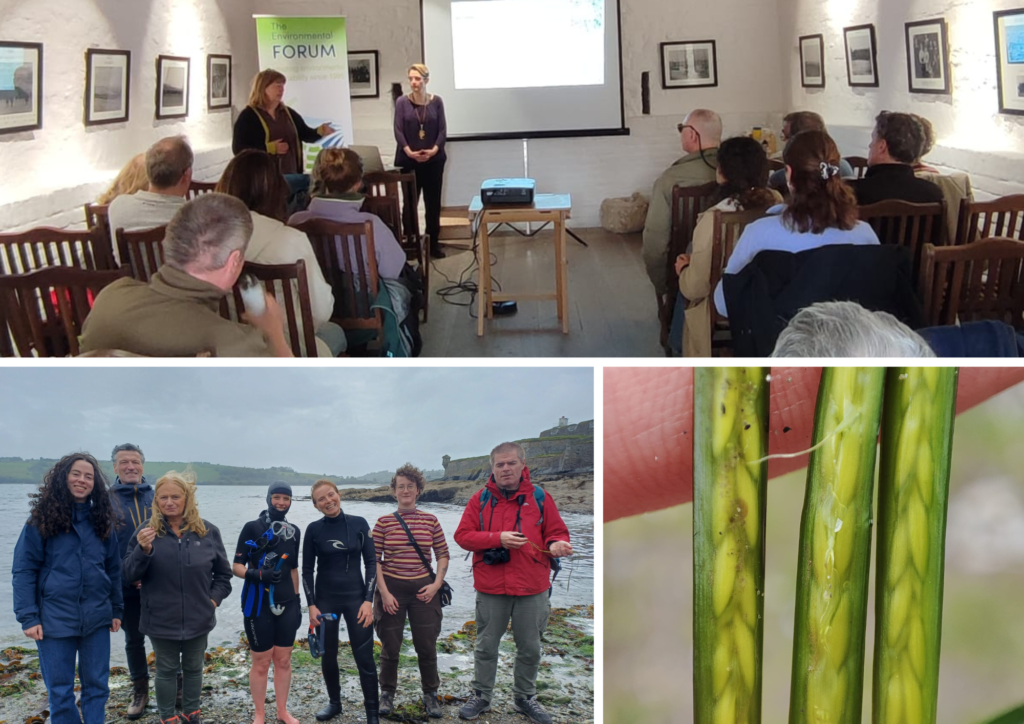
We also hosted a Coastal Management Citizen Science and Seagrass event at the beautiful Charles Fort in Kinsale. We learned how European directives connect to local coastal environment from Emma Armshaw. Bernie Connolly also explained how Coastwatch Citizen Science projects such as the Seagrass Campaign & Autumn Shore Survey help generate data and improve the protection of marine sites. The event concluded with a walk on the shore to observe seagrass washed up on the beach, while the bravest of us went for a refreshing dip to locate the seagrass bed underwater. Many of us were able to witness seagrass flowers for the first time while getting introduced to citizen science surveys.
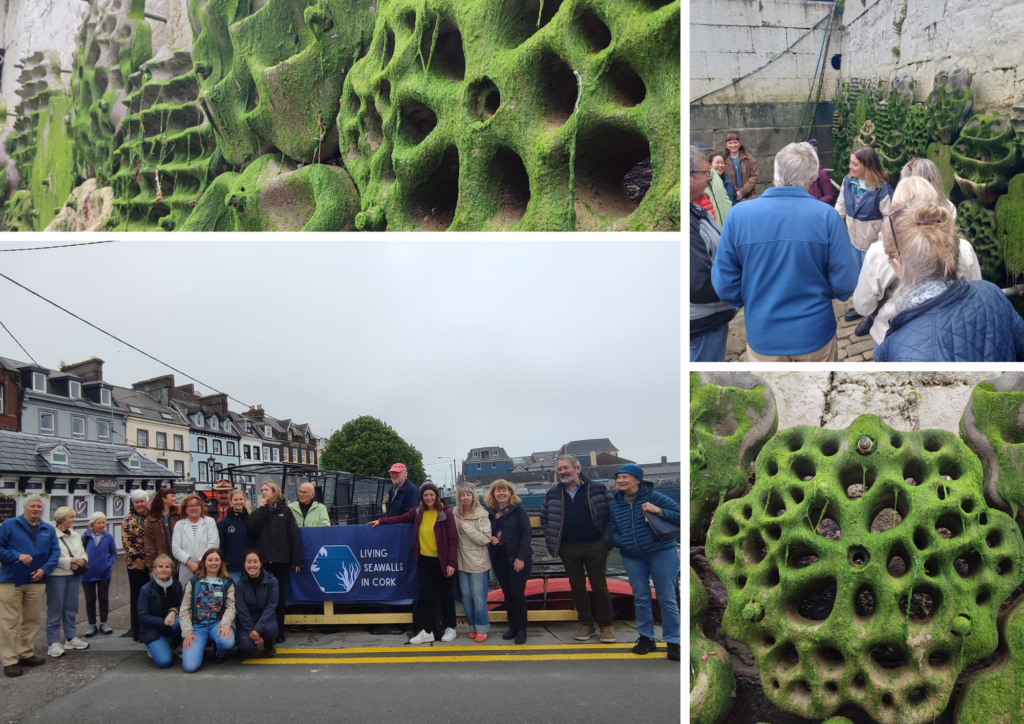
We learned from Dr Louise Firth and other UCC researchers about Ireland’s first Living Sea Wall project at Kennedy Pier in Cobh. We discovered how the different panels function and how they are monitored. We witnessed the evolution of the wall nine months after its construction and heard about the expected benefits that such a structure could provide for the coastal environment. For example, living sea walls can improve marine biodiversity and water quality while promoting awareness and education among the public. It was fascinating to discover the different ways sea walls can combine ecological engineering, art and science while promoting human to nature interactions.
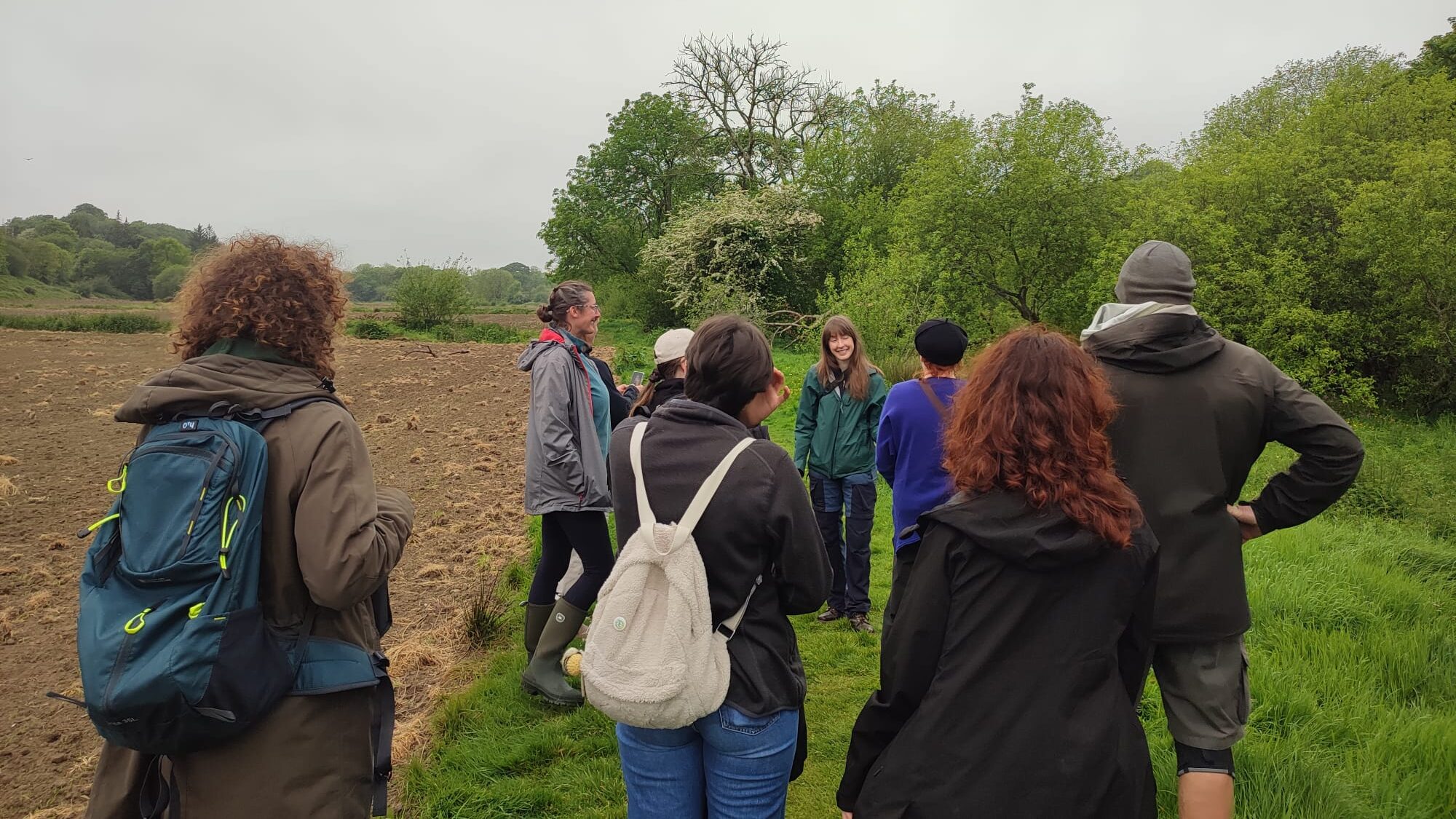
We also organised an Ecological Excursion along the Bandon River Walk, guided by Irene Ní Shúilleabháin of Ériu Ecology. We observed the biodiversity of the area and learned how different species use habitats in and along the river. We explored the importance of native species, especially for birds, and discussed the damages linked to human activities on natural habitats.
We hope that all these Biodiversity Week events taught you something new, showcased the importance of safeguarding our biodiversity, and inspired many of you to continue taking action for Nature!